Apple Surges iPhone Duo Production Amidst Record-Breaking Pre-Order Rush
The tech giant has raised its first-year shipment target to 14 million units after initial delivery delays signaled massive consumer interest in its new folding device.
By Valentina Cruz ·
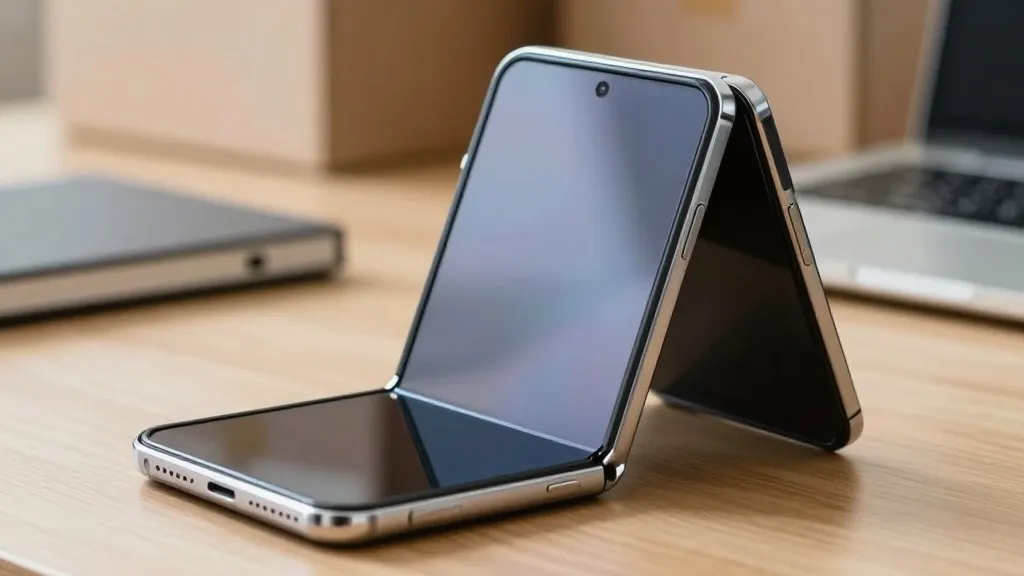
The wait for the first folding iPhone has already begun, and it is longer than many expected. When pre-orders opened on Friday, customers quickly discovered that their delivery dates had shifted, with some estimates stretching all the way into late January. This immediate delay created a bit of a mystery for observers: was the slowdown due to a supply chain hiccup, or was the demand simply overwhelming Apple’s initial inventory plans? It was not immediately clear which factor was at play, leaving many to wonder if the hype was outpacing the hardware.
New information from the supply chain suggests the latter is the correct answer. Reports indicate that Apple has significantly increased its orders for the iPhone Duo, boosting them by more than 40%. This move appears to be a direct response to what the company characterized as 'extraordinary' pre-order demand. While Apple is known for using this specific phrase to describe strong sales for new iPhone launches, the scale of the production increase this time around seems to point firmly to genuine, high-volume consumer interest rather than just marketing speak.
To manage the initial surge, Apple implemented a cap on purchases, limiting each customer to a maximum of two devices. This restriction was aimed at curbing scalping and ensuring that the initial supply reached as many distinct users as possible. As anticipated, the company began adjusting these dates shortly after the launch. Many of those who had received the later January estimates were subsequently given earlier shipping windows, a change that aligns with the recent reports of a production ramp-up.
According to DigiTimes, which cited sources within the supply chain, Apple is now expecting this strong demand to persist well into the coming year. Consequently, the company has raised its shipment targets for the first 12 months. The original projection was for 9.7 million units, but that figure has been bumped up to 14 million. This represents a substantial shift in planning, suggesting that Apple is confident the iPhone Duo will remain a best-seller throughout its first year on the market.
However, early adopters are not without their challenges. One of the most consistent points raised in initial reviews, based on a week of usage, is the state of third-party app support. Because this is Apple’s first folding iPhone, many apps have not yet been optimized for the new form factor. While this is a common hurdle for new hardware, it remains a notable friction point for users who rely on their devices for specific workflows or entertainment.
Apple has stated that the situation is improving rapidly as developers get on board with the new platform. The company suggests that the gap in optimization is closing, but for now, users may still encounter interface quirks or suboptimal layouts in certain applications. This is one of five key takeaways that have emerged from the early review cycle, highlighting that while the hardware is impressive, the software ecosystem is still catching up.
Another point of discussion among early reviewers is the biometric security feature. The iPhone Duo utilizes Touch ID, a move that some saw as a step back from the Face ID system that has defined recent iPhone generations. This design choice has been a consistent topic in the initial assessments, with users noting the difference in the unlocking experience.
Yet, there may be some good news on the horizon for those who preferred facial recognition. A report released today indicates that Apple is already testing prototypes for the iPhone Duo 2 that include Face ID. This suggests that the company is aware of user preferences and is actively working on integrating the feature into the next iteration of the folding device. Whether this will be a standard feature or an option remains to be seen, but the testing phase confirms that the technology is being evaluated for the successor.
For now, the focus remains on the current model and the logistics of getting it into the hands of the millions who have pre-ordered. The combination of extended delivery dates, production increases, and ongoing app optimization paints a picture of a product that is in high demand but still in a period of rapid adjustment. As the supply chain continues to scale up, the question is whether Apple can maintain this pace of delivery while also ensuring the software experience meets the high expectations set by the hardware.
Source: 9to5Mac