Tesla's Software Milestone: How the Counting Method Works
The automaker reports nearly 1.74 million active self-driving users, a figure that includes past buyers to align with executive compensation targets.
By Ishani Kapalli ·
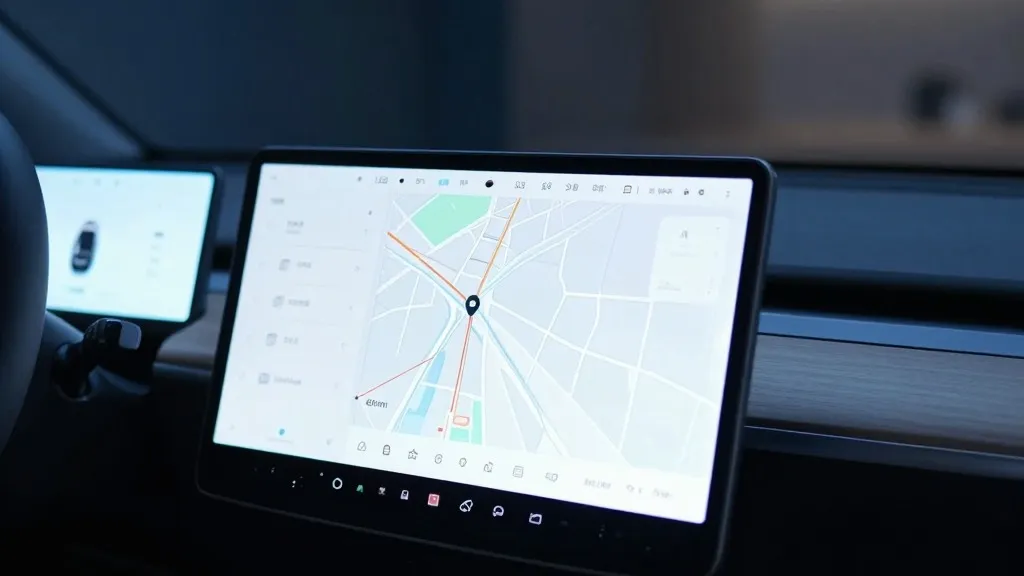
There is a growing tension between how Tesla presents its software adoption and the financial incentives driving its leadership. The company recently announced that it has reached 1.74 million active Full Self-Driving subscriptions. This number represents a 67% increase from the same period last year. However, the metric is not a simple count of monthly payers. It is a specific accounting measure designed to align with the performance criteria for the CEO's 2025 compensation package.
The core of the issue lies in a footnote within Tesla's third-quarter 2026 shareholder letter. The company explains that this figure follows the rules of the 2025 CEO Performance Award. Under these rules, the total includes both those who pay a monthly fee and those who purchased the software upfront. This means owners who bought the package years ago, often at prices reaching $15,000, are still counted as active subscribers as long as their vehicles are in use.
This counting method is significant because hitting 10 million active subscriptions is a key milestone for Elon Musk to earn his pay. It also highlights a distinction for consumers, as hundreds of thousands of these counted users were originally sold on the promise of unsupervised self-driving. Tesla has not yet delivered that level of autonomy to all of them.
Tesla stopped selling the software as a one-time purchase on February 14, 2026. New customers in the United States can now only access it as a subscription for $99 per month. However, the legacy of the upfront sales remains in the data. The only users excluded from this active count are those on free trials. In April of this year, Tesla reported 1.28 million users under this same definition. Six months later, the company has not disclosed how many of the current 1.74 million are actually paying the monthly fee.
A similar approach to accounting appears in other parts of the report. Tesla's cumulative delivery figure, which now stands at 10.2 million, also includes unsupervised Robotaxis placed into commercial operation. This adjustment is made to match the pay package, which sets a goal of 20 million vehicles delivered. The parallel suggests a broader effort to align reported metrics with the specific thresholds required for executive bonuses.
The company also claims that more than 75% of new deliveries in North America included FSD subscriptions during the third quarter. This represents a nearly twenty percentage point increase from the previous period. Tesla believes this software is driving demand in markets where it is available. However, the letter does not define exactly how this attach rate is calculated. It is unclear whether this includes introductory offers or how many of those buyers are still paying after a few months.
The path to the 10 million milestone is long. The CEO's award consists of 12 tranches, each requiring a market cap milestone and an operational milestone. As of June 30, Tesla considered only the 20 million vehicle delivery target to be probable. The other operational goals include 1 million Optimus robots and 1 million robotaxis in commercial operation. Tesla added 260,000 net subscriptions in the third quarter, its best quarter to date.
At the current pace of adding roughly 260,000 users per quarter, it would take about eight years to reach the 10 million goal. If the company maintains the average pace of the last 12 months, which is about 700,000 per year, the timeline extends to nearly 12 years. The compensation plan runs until 2035, giving the company significant time to close the gap.
For investors and consumers, the distinction between a subscription and a permanent purchase matters. Counting upfront buyers is not incorrect, as those cars do have the software. The challenge is presenting the total as proof of momentum when the definition was crafted for a pay package. The board has approved this definition, and the company's future compensation depends on it. The question remains how many of these users are currently paying the monthly fee to keep the service active.
The 75% attach rate is the more interesting metric to watch. If that number holds up, it indicates a strong business model for a $99 monthly product. To understand the true health of the software business, the market will be looking for retention data. Specifically, how many North American buyers who started a subscription in the second quarter are still paying today? Tesla knows that number, and it will likely be the next key data point to reveal.
Source: Electrek